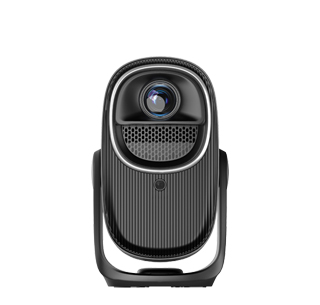
Zero-latency experience projectors (also called “low-latency projectors”) are projection devices engineered to minimize input lag—the time between a user’s action (e.g., pressing a game controller button, clicking a mouse) and the corresponding response on the projected screen. Unlike standard projectors (which often have input lag of 50ms or more—noticeable to users, especially in fast-paced activities), these models achieve input lag of 20ms or less (often as low as 8ms-15ms)—a threshold considered imperceptible for most users. They are primarily designed for gaming (both console and PC gaming) and interactive applications (e.g., classroom whiteboarding, live presentations where quick responsiveness is key), where even small delays can disrupt the experience—for example, a 50ms lag in a first-person shooter game can mean the difference between winning and losing a match.
The technology behind zero-latency projectors focuses on optimizing signal processing and reducing bottlenecks:
Simplified image processing: Standard projectors use complex image enhancement features (e.g., motion smoothing, noise reduction) that add latency. Zero-latency models include a dedicated “game mode” or “low-latency mode” that disables these non-essential features, streamlining the signal path from input to projection. For example, turning off motion smoothing can reduce lag by 20ms-30ms alone.
High-speed input ports: To handle fast data transmission, these projectors are equipped with high-speed ports like HDMI 2.1 (supports 4K resolution at 120Hz refresh rate) or DisplayPort 1.4—critical for gaming consoles like the PlayStation 5 or Xbox Series X, which output high-frame-rate content. HDMI 2.1 also supports Variable Refresh Rate (VRR), which syncs the projector’s refresh rate with the console’s frame rate—eliminating screen tearing (a visual artifact) without adding latency.
Advanced processor and firmware: High-end models use specialized processors (e.g., Texas Instruments DLP XPR processors) optimized for low-latency signal handling. Firmware updates often include latency optimizations, ensuring the projector maintains low lag as new games or devices are released. Some projectors even use “pixel mapping” technology—directly mapping input pixels to projection pixels, bypassing unnecessary scaling steps that add delay.
Refresh rate support: Zero-latency projectors support high refresh rates (120Hz or 144Hz) at their native resolution (e.g., 1080p@120Hz, 4K@60Hz). Higher refresh rates reduce motion blur and make the experience feel more responsive, complementing the low input lag. For example, a 120Hz refresh rate means the screen updates 120 times per second—twice as fast as a 60Hz projector—making fast-moving game scenes smoother.
Key applications of zero-latency experience projectors:
Gaming: Console gamers (PS5, Xbox Series X/S) and PC gamers (playing titles like Fortnite, Call of Duty) rely on low latency to maintain precision and reaction time. A 10ms lag projector ensures that every button press or mouse movement translates to on-screen action instantly.
Interactive education: In classrooms with interactive whiteboard software, teachers and students use styluses or touch inputs to draw, write, or manipulate content. Low latency ensures that the on-screen cursor follows the stylus in real time, making the experience feel natural—critical for keeping students engaged.
Live presentations: Speakers using interactive presentation tools (e.g., annotating slides in real time) need quick responsiveness to avoid delays between their actions and the projected changes. Zero-latency projectors ensure the presentation flows smoothly, without awkward pauses.
When testing a zero-latency projector, use a latency measurement tool (e.g., a dedicated lag tester or a smartphone app like “Input Lag Tester”) to verify the actual lag—manufacturer claims may vary based on settings (e.g., “game mode” vs. “standard mode”). Also, ensure the projector supports the resolution and refresh rate of your gaming device—for example, a 4K gaming console needs a projector that can handle 4K@60Hz with low latency. With their focus on speed and responsiveness, zero-latency experience projectors deliver a seamless, immersive experience for users who demand instant action.
Read recommendations:
HN30A Portable - HN Series Projector
1080P Projector indoor movie viewing
Progress in Projector Miniaturization Technology












 Reviewed: