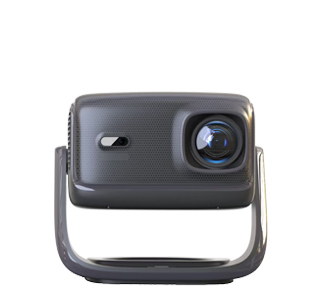
A “glass fiber screen projector” typically refers to a projection system that combines a projector with a glass fiber projection screen—where the screen’s surface is made of glass fiber material, optimized to enhance the projector’s image quality. Unlike traditional projection screens (made of fabric or vinyl), glass fiber screens offer superior performance: higher gain (ability to reflect light), better color reproduction, and resistance to wrinkles or stretching—making them ideal for use with projectors in home theaters, conference rooms, or commercial venues (e.g., retail showrooms). The combination of a projector and glass fiber screen creates a synergy: the screen maximizes the projector’s brightness and contrast, while the projector delivers content that leverages the screen’s material advantages to produce vivid, immersive visuals.
The key characteristics of glass fiber screens that complement projectors include: high gain and uniform light reflection. Gain is a measure of how much light the screen reflects compared to a standard white screen (gain = 1.0). Glass fiber screens typically have a gain of 1.2-1.8—higher than fabric screens (0.8-1.2)—meaning they reflect more of the projector’s light back to the viewer. This is particularly beneficial for projectors with lower brightness (e.g., 2000-3000 lumens used in home theaters), as it boosts image brightness without requiring the projector to consume more power. Additionally, glass fiber screens have a wide “viewing cone” (160°-180°), ensuring uniform brightness and color across the entire screen—even for viewers sitting off-center (common in conference rooms with multiple attendees).
Color reproduction is another strength of glass fiber screens. The glass fiber material has a neutral white base (with minimal color cast) that preserves the projector’s original color output—critical for applications like photo editing, video editing, or home theaters where accurate color is essential. Unlike some fabric screens (which may have a warm or cool tint), glass fiber screens reflect RGB colors evenly, ensuring reds, greens, and blues appear vibrant and true to the source content. For projectors with wide color gamuts (e.g., DCI-P3 or Rec. 2020), glass fiber screens maximize this advantage, delivering cinema-like color accuracy.
Durability and maintenance of glass fiber screens make them a long-term investment. The material is resistant to wrinkles (unlike fabric, which requires stretching to stay flat) and stretching (even when mounted for long periods), ensuring the screen remains perfectly flat—flatness is critical for avoiding image distortion (e.g., curved lines appearing wavy). Glass fiber screens are also water-resistant and easy to clean: spills or dust can be wiped off with a damp microfiber cloth, making them suitable for high-traffic areas like classrooms or retail stores. Unlike vinyl screens (which can degrade over time due to UV exposure), glass fiber screens are UV-resistant, maintaining their performance for 5-10 years with proper care.
When pairing a projector with a glass fiber screen, key considerations include: matching the screen size to the projector’s throw ratio—ensure the projector can produce an image that fits the screen perfectly (e.g., a 100-inch screen requires a projector with a throw ratio compatible with the available distance). Selecting the right gain: for dark environments (home theaters), a gain of 1.2-1.4 is ideal (avoids hotspots—areas of excessive brightness); for bright environments (conference rooms with ambient light), a gain of 1.6-1.8 helps the image stand out. Choosing the screen type: glass fiber screens are available in “matte white” (for general use) or “gray” (for high-contrast setups—boosts black levels by absorbing ambient light, ideal for projectors with lower contrast ratios).
For specific applications: home theaters benefit from 100-120 inch glass fiber screens with gray surfaces, paired with 4K projectors to deliver immersive movie experiences. Conference rooms use 80-100 inch matte white glass fiber screens, paired with bright projectors (3000+ lumens) to ensure presentations are readable in well-lit spaces. Retail stores may use large-format glass fiber screens (120+ inches) paired with short-throw projectors (to save space), displaying advertising content that leverages the screen’s high gain and color accuracy to attract customers.
With their combination of performance, durability, and versatility, glass fiber screen projectors are a top choice for anyone seeking high-quality projection systems that deliver consistent, professional visuals in any environment.
Read recommendations:
HW40 Home Cinema - HW Series Projector
How Many Lumens Are Ideal for a Projector
Energy-Saving Home Projector










 Reviewed: