Return to News Center
Tabletop Placement for Projectors
 Reviewed:0
Release time:2026-04-16
source:About Us
Reviewed:0
Release time:2026-04-16
source:About Us
Guide:
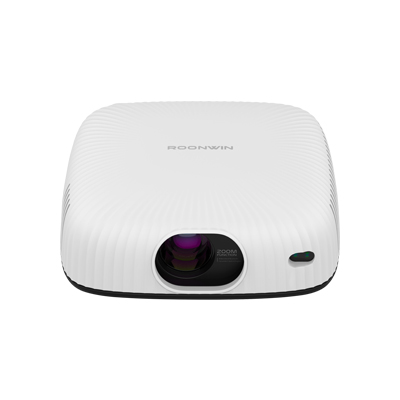
Tabletop placement is one of the most popular and flexible ways to use a projector, offering convenience, mobility, and ease of use without the need for permanent installation or professional tools. This placement method involves placing the projector on a stable, flat surface—such as a coffee table, desk, or dedicated projector stand—within the room, making it ideal for renters, casual viewers, or anyone who values adaptability and wants to avoid modifying their space. Tabletop placement allows

Tabletop placement is one of the most popular and flexible ways to use a projector, offering convenience, mobility, and ease of use without the need for permanent installation or professional tools. This placement method involves placing the projector on a stable, flat surface—such as a coffee table, desk, or dedicated projector stand—within the room, making it ideal for renters, casual viewers, or anyone who values adaptability and wants to avoid modifying their space. Tabletop placement allows users to easily move the projector between rooms, adjust its position for different viewing scenarios, and set it up in minutes, making it a practical choice for home entertainment, small meetings, or temporary presentations.
To ensure optimal image quality with tabletop placement, there are several key considerations. First, the surface must be stable and level to prevent the projector from tilting, which can cause image distortion or blurriness. The ideal height for the tabletop is between 70 and 85 centimeters, ensuring that the projector’s lens center is roughly aligned with the midpoint of the projection surface (screen or white wall). If the surface is not level, a small adjustment pad or phone level app can be used to calibrate the projector’s base, avoiding left-right tilt that leads to skewed images. Additionally, the distance between the projector and the projection surface should be adjusted based on the projector’s throw ratio—for example, a projector with a 1.2:1 throw ratio can project an 80-inch screen from a distance of approximately 2 meters, while a 1.5:1 throw ratio requires a longer distance for the same screen size.
Another important aspect of tabletop placement is ensuring proper ventilation and avoiding light path interruptions. The projector should be placed with at least 15 centimeters of space behind it to allow for adequate heat dissipation, as overheating can affect performance and lifespan. It is also important to position the projector in a location where people will not walk between the projector and the screen, as this can cast shadows and interrupt the viewing experience. Many modern projectors designed for tabletop use feature automatic keystone correction (vertical and horizontal) and automatic focus, which can quickly correct image distortion caused by slight tilting or distance changes, ensuring a clear image without manual adjustments. With these considerations, tabletop placement offers a simple, flexible, and effective way to enjoy projector use in any space.
Read recommendations:
HN30A Portable - HN Series Projector
Projectors with Full HD Resolution
Projectors with Fully Enclosed Dustproof Structure