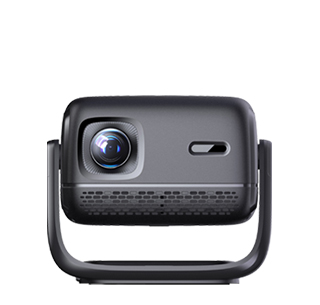
The projection ratio of a projector is a crucial specification that determines the size of the projected image in relation to the distance between the projector and the screen. Understanding projection ratios is essential for users to ensure that the projector meets their specific installation and viewing requirements, whether in a home theater, classroom, or conference room.
The most common projection ratios include 4:3, 16:9, and 2.35:1. The 4:3 ratio, also known as the full - screen or standard ratio, was widely used in the past for traditional television sets and computer monitors. It is still relevant in some educational and business settings where older content or documents with a 4:3 aspect ratio need to be displayed. When using a 4:3 - ratio projector, the width of the image is 4 units for every 3 units of height. However, with the rise of widescreen content, the 4:3 ratio has become less common in new installations.
The 16:9 ratio is the current standard for most modern video content, including high - definition television (HDTV), Blu - ray discs, and streaming services. This widescreen ratio provides a more immersive viewing experience, closely resembling the human field of vision. When projected, an image with a 16:9 ratio has a width that is 16 units for every 9 units of height. Many home theater projectors and office projectors are designed with a native 16:9 projection ratio to ensure compatibility with the vast majority of contemporary media. This ratio is ideal for watching movies, playing video games, and presenting modern - format presentations, as it fills the screen without black bars on the sides, maximizing the visual impact.
The 2.35:1 ratio, also known as the cinematic widescreen ratio, is primarily used for movies shot in anamorphic widescreen format. Projectors with a 2.35:1 ratio can display these movies without the need for additional equipment, such as an anamorphic lens. This ratio offers an ultra - wide viewing experience, similar to what audiences see in a movie theater. However, since most non - cinematic content is not in this ratio, using a 2.35:1 - ratio projector for general use may result in black bars at the top and bottom of the screen when displaying 16:9 or 4:3 content.
In addition to these standard ratios, some projectors offer adjustable or variable projection ratios. These projectors can be configured to display images in different ratios, providing flexibility for various types of content. For example, in a multi - purpose venue that hosts both movie screenings and business presentations, a projector with an adjustable ratio can switch between 2.35:1 for movies and 16:9 for presentations. Understanding the projection ratio of a projector and its compatibility with different types of content is essential for achieving the best possible visual experience and ensuring that the projected image fits the intended screen size and viewing environment.
Read recommendations:
HW30 Home Cinema - HW Series Projector
3d Projector for live streaming events
How Many Watts Does a Projector Typically Consume?












 Reviewed: